
iya clinic
Endoscopic midface lift
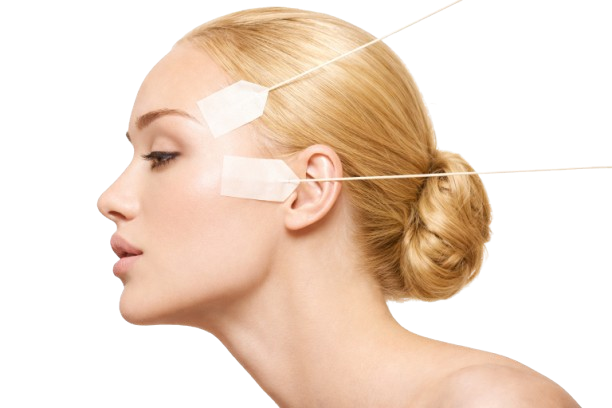
Delicate work with deep facial structures, restoring volume, softness of contours, and natural harmony of features.
Endoscopic midface lift is a modern surgical technique aimed at restoring volume in the cheeks and cheekbones. The procedure allows you to refresh the appearance of the face without changing facial expressions and individual features.
Endoscopic face lift
About the procedure
An endoscopic midface lift is a surgical rejuvenation technique aimed at correcting age-related changes in the cheek, malar, and nasolabial areas. The procedure helps restore volume and proper tissue positioning that gradually shift downward over time, creating a tired appearance and loss of facial definition.
The core principle of the technique is not skin tightening but working with the deeper facial structures. Thanks to the endoscopic approach, tissues are repositioned into their anatomically correct location, ensuring a natural and harmonious result.
What age-related changes does a midface lift address?
The midface plays a key role in maintaining a youthful facial appearance. This area is often the first to show signs of aging, including volume loss, deepening folds, and contour changes.
The procedure allows correction of:
-
sagging of the cheeks and malar area
-
volume loss in the midface
-
pronounced nasolabial folds
-
a tired or fatigued appearance
-
imbalance between the upper and lower thirds of the face
Features of the endoscopic technique
An endoscopic midface lift is performed through small access points using an optical system. This allows the surgeon to work precisely with the muscular and fascial layers while minimizing tissue trauma.
This approach provides:
-
precise correction of deep facial layers
-
minimal tissue trauma
-
absence of visible scars
-
preservation of natural facial expressions
-
a predictable and stable result
A comprehensive approach to facial rejuvenation
A midface lift is often considered part of a comprehensive facial rejuvenation plan. During planning, the interaction between the midface and other facial zones is carefully evaluated to achieve a balanced and harmonious outcome.
When necessary, the procedure may be combined with other rejuvenation techniques to enhance the overall effect without overcorrection.
Individualized treatment planning
Preparation for the procedure begins with a consultation during which the surgeon evaluates anatomical features, the degree of aging changes, and the condition of the midface tissues.
During planning, the following factors are considered:
-
severity of tissue descent
-
condition of fat pads and muscles
-
facial proportions
-
interaction with adjacent facial zones
-
patient expectations
Based on this assessment, a personalized surgical strategy is developed to achieve a natural and long-lasting result.
Safety and medical supervision
Endoscopic midface lifting is a surgical procedure performed in accordance with established medical standards. All stages—from preoperative preparation to postoperative follow-up—are conducted under medical supervision.
Particular attention is given to:
-
medical indications
-
overall health condition
-
procedural safety
-
monitoring of the recovery process
Recovery after the procedure
Thanks to the endoscopic approach, the recovery period is generally relatively comfortable. Temporary swelling or a sensation of tightness in the cheek area may occur and gradually subside.
The physician provides individualized recommendations regarding daily routine and postoperative care. The final result develops gradually as the tissues stabilize.
Who is an endoscopic midface lift suitable for?
The procedure may be recommended for patients who:
-
notice volume loss in the cheek area
-
have pronounced nasolabial folds
-
appear tired even at rest
-
do not wish to change their facial features
-
expect a natural and long-lasting result
An endoscopic midface lift does not alter facial identity but restores balance and youthful contours.
Results focused on long-term outcomes
A midface lift is an investment in natural facial expression and harmonious features. With proper planning and adherence to medical recommendations, the results remain stable over time while maintaining a soft and refined appearance.
The decision to undergo the procedure should be well considered. A consultation allows assessment of correction possibilities and expected outcomes based on individual characteristics.
Indications
An endoscopic midface lift may be recommended for patients experiencing age-related changes in the cheek and malar areas that affect overall facial appearance.
The procedure is suitable in cases of:
-
sagging of the cheeks and malar zone
-
volume loss in the midface
-
pronounced nasolabial folds
-
a tired or fatigued appearance
-
imbalance between the upper and lower thirds of the face
Contraindications
As with any surgical procedure, there are contraindications that are determined individually.
The procedure is not performed in cases of:
-
acute or chronic conditions in an active stage
-
blood clotting disorders
-
infectious processes
-
severe systemic diseases
-
individual medical contraindications identified by the physician
Preparation for the procedure
Preparation for an endoscopic midface lift begins with a consultation and medical evaluation to ensure safety and predictability of results.
Prior to the procedure, it is recommended to:
-
undergo required laboratory tests
-
inform the physician about all medications taken
-
follow individualized recommendations regarding routine and diet
-
avoid alcohol and smoking during the preparation period
Rehabilitation
Due to the minimally invasive nature of the procedure, recovery is generally comfortable.
During the rehabilitation period, it is important to:
-
follow the physician’s recommendations
-
limit physical activity
-
avoid heat exposure
-
attend scheduled follow-up appointments
Swelling and sensations of tightness gradually decrease, and the final result forms as the tissues stabilize.
iya clinic
Our specialists in endoscopic midface lift


iya clinic
Cost of the procedure All prices
Endoscopic face lift
iya clinic
Patient reviews


iya clinic
Frequently asked questions about endoscopic midface lift
Endoscopic face lift
How does an endoscopic mid-facelift differ from a classic facelift?
Endoscopic midface lift is aimed at correcting a specific anatomical area – the cheeks, cheekbones and nasolabial area. Unlike classical methods, the procedure does not involve skin tightening, but works with deep structures, returning tissues to their natural position.
What result does this procedure give?
The procedure allows you to restore volume and definition to the middle third of the face, reduce the appearance of nasolabial folds, and give the face a fresher and more rested look. The result looks natural and does not create the effect of a “reworked” face.
Do facial features change after a middle third lift?
Facial features do not change. The goal of the endoscopic technique is to restore anatomical balance, not to create new shapes. The face remains recognizable, and the changes look soft and harmonious.
Are there scars after the procedure?
Access is made through small incisions in inconspicuous areas. After healing, the scars are practically invisible and do not attract attention in everyday life.
How long does the effect of an endoscopic mid-section lift last?
The result of the procedure is long-lasting. Although the natural aging process continues, the facelift significantly slows down its manifestations in the mid-face. If you follow the doctor’s recommendations, the effect lasts for many years.
Can this procedure be combined with other rejuvenation methods?
In some cases, endoscopic mid-section lift can be combined with other surgical or non-surgical techniques. The feasibility of combining them is determined individually during the consultation.
When can the final result be evaluated?
The first changes are noticeable after the swelling subsides, but the final result is formed gradually – as the tissues stabilize. This allows you to assess the effect in natural dynamics without sudden changes.
How do I know if this procedure is right for me?
The optimal decision is made after consultation with a doctor. During the examination, anatomical features, the degree of age-related changes, and the patient’s expectations are assessed, which allows determining the feasibility of the procedure and predicting the result.
