
iya clinic
Removal of the intrauterine system with anesthesia
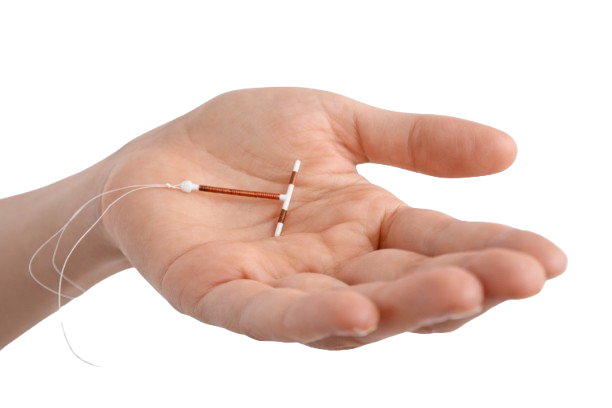
Comfort and safety are key principles of any medical intervention.
Removal of the intrauterine system with anesthesia is a planned and controlled procedure that allows you to safely and comfortably terminate the use of the IUD. Analgesia minimizes discomfort and makes the process calm even for patients with increased sensitivity. The procedure is performed in compliance with clinical standards and an individual approach to each woman.
Aesthetic gynecology
Body
- Gynecological check-up (doctor’s consultation, examination, collection of vaginal discharge samples + Pap test, pelvic ultrasound, colposcopy)
- Removal of external genital warts/papillomas
- BBL Hero (intimate external rejuvenation)
- Cervical biopsy from PGD material
- Removal of the intrauterine system with anesthesia
- Insertion of intrauterine contraceptive (Mirena/Jaides IUD)
- Vaccination against cervical cancer (Gardasil-9)
- Intimate peeling (brightening)
- Vaginal plasma therapy (age-related atrophy, dryness symptoms)
- Biorevitalization of the intimate area
- Injection correction of stress urinary incontinence
- Injection clitorisoplasty
- Enlargement of the “G” spot
- Contour plastic surgery of the labia majora
- Injection hymenoplasty (hymen reconstruction)
- Aesthetic gynecology consultation
- Secondary/online gynecological consultation
- Primary gynecological consultation
About removal of the intrauterine system with anesthesia
Removal of an intrauterine system with anesthesia is a medical procedure performed to safely and comfortably extract an IUD from the uterine cavity. The use of anesthesia helps minimize pain and psychological discomfort, which is especially important for patients with increased sensitivity, long-term use of the system, or technically difficult removal.
The procedure may be performed as a planned intervention after the expiration of the IUD’s lifespan, as well as for medical reasons or at the patient’s request. Removal is carried out in a clinical setting in accordance with sterile gynecological protocols.
Procedure Features and Technique
Before removal of the intrauterine system, a gynecological examination is performed and, if necessary, an ultrasound examination is used to assess the position of the IUD. Local or another appropriate form of anesthesia is then administered based on individual needs.
During the procedure, the physician carefully removes the system using specialized instruments while monitoring the condition of the cervix and uterine lining. Anesthesia ensures patient comfort and helps prevent pain-related reactions during the manipulation.
Removal of an intrauterine system with anesthesia is performed in the following cases:
• expiration of the intrauterine system’s recommended duration of use.
• the patient’s decision to change the method of contraception.
• planning of pregnancy.
• development of discomfort or adverse effects.
• medical indications requiring discontinuation of IUD use.
Recovery and Further Recommendations
After removal of the intrauterine system, most women do not require prolonged recovery. Mild cramping or light spotting may occur and usually resolve spontaneously within a short period.
The physician provides individual recommendations regarding further contraception, pregnancy planning, or follow-up care. If necessary, insertion of a new intrauterine system or selection of an alternative contraceptive method may be discussed.
Indications for removal of an intrauterine system with anesthesia
The procedure is performed after completion of the IUD’s lifespan, at the patient’s request, or for medical reasons. Anesthesia is recommended for patients with low pain tolerance or technically difficult removal. The need for anesthesia is determined individually.
Contraindications for removal of an intrauterine system with anesthesia
The procedure may be postponed in cases of acute inflammatory conditions or severe general illness. The type of anesthesia is selected with consideration of possible contraindications. The final decision is made by the physician after examination.
Preparation for removal of an intrauterine system with anesthesia
No complex preparation is usually required. A gynecological examination and, if necessary, ultrasound assessment are performed beforehand. On the day of removal, patients are advised to follow medical instructions and maintain a light routine.
Recovery after removal of an intrauterine system with anesthesia
Recovery is generally quick and uncomplicated. Mild discharge or discomfort may occur for a short time. Patients are advised to avoid intense physical activity and sexual intercourse for several days.
iya clinic
Our specialists in removing the intrauterine system with anesthesia

iya clinic
Cost of the procedure All prices
Aesthetic gynecology
iya clinic
Patient reviews


iya clinic
Frequently Asked Questions about Removal of an Intrauterine System with Anesthesia
Aesthetic gynecology
Is removal of an IUD painful when anesthesia is used?
With the use of anesthesia, the procedure is usually well tolerated and comfortable. Most patients experience little to no pain. The type of anesthesia is selected individually.
How long does the IUD removal procedure take?
The removal itself typically takes only a few minutes. The total time spent in the clinic depends on the type of anesthesia and preparation. Patients can usually return to normal activities shortly after.
When can pregnancy be planned after IUD removal?
Pregnancy planning is possible in the first cycles following removal. Fertility is restored quickly after the procedure. Specific recommendations are provided by the physician.
Are complications possible after IUD removal?
Complications are rare when the procedure is performed correctly. Temporary spotting or mild cramping may occur. Patients should contact their physician if unusual symptoms develop.
Is it necessary to insert a new IUD immediately after removal?
This depends on the patient’s reproductive plans. A new IUD may be inserted during the same visit or at a later time. Alternative contraceptive options can also be discussed.
Does anesthesia affect well-being after the procedure?
The anesthesia used is generally well tolerated. Temporary weakness or drowsiness may occur depending on the type of anesthesia. All details are discussed prior to the procedure.
