
iya clinic
Thai foot massage (manual)
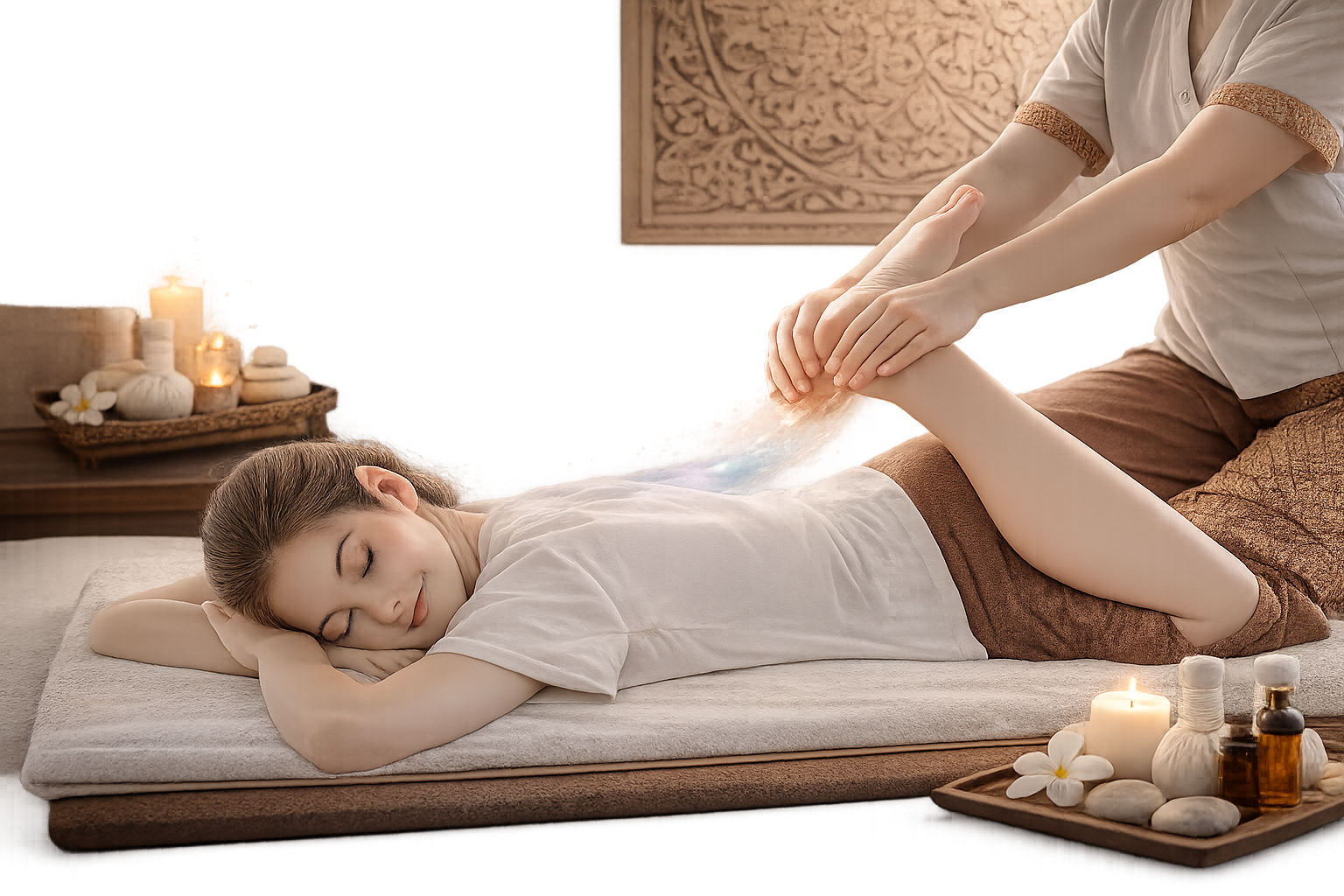
Thai foot massage is a combination of reflexology and gentle manual techniques aimed at restoring lightness and balance in the lower extremities.
Thai manual foot massage is used to reduce fatigue, tension and a feeling of heaviness in the legs. The procedure combines acupressure and rhythmic movements, helps improve blood circulation and can be used as an independent method or as part of comprehensive recovery and relaxation programs.
Massages and wraps
Body
- STYX ALGAE ENERGY WRAP
- STYX wraps. Wet “WHISKY” wraps.
- STYX wraps. Anti-cellulite thermo wraps “CELLO CEL”
- STONE THERAPY (hot stone massage)
- Hawaiian massage (LOMI LOMI) manual
- Thai foot massage (manual)
- Neurosedative (RELAX) massage (manual)
- Modeling (anti-cellulite) massage (manual)
- Lymphatic drainage massage (manual)
- Therapeutic massage (manual)
- Classic massage (manual)
- Stratosphere (Body massage)
About Thai foot massage (manual)
Thai foot massage is a specialized manual technique aimed at stimulating reflex zones of the feet and lower legs, improving blood circulation, and reducing overall fatigue of the lower extremities. The procedure combines elements of acupressure, gentle stretching, and rhythmic pressure, allowing a comprehensive effect both on the legs and on general well-being.
Unlike classic massage, Thai foot massage has a more structured and reflex-based character. Primary attention is given to areas associated with various body systems, as well as zones where blood stagnation and a feeling of heaviness often occur. Manual techniques are performed with precise control of pressure and rhythm.
The procedure may be used for recovery after physical exertion or for relieving tension caused by prolonged standing or sitting. Thai foot massage is often applied as a standalone treatment or as part of comprehensive relaxation and recovery programs.
Mechanism of Action and Effects on the Lower Limbs
Thai foot massage promotes activation of blood and lymph circulation, reduction of stagnant processes, and improvement of tissue nourishment. Through reflex stimulation, the procedure may also have a positive effect on overall body tone and the sensation of lightness in the legs.
Thai manual foot massage promotes:
-
reduction of heaviness and fatigue in the legs
-
improved circulation in the feet and lower legs
-
decreased swelling of the lower extremities
-
relaxation of muscles and ligaments
-
improved overall well-being
The effect may be noticeable after the first session and becomes cumulative with regular treatments.
Individual Adaptation and Safety
Before the procedure, the specialist assesses the condition of the lower extremities, including swelling, tension, or discomfort. This allows selection of optimal intensity and technique. Thai foot massage is performed in accordance with safety standards and with consideration of individual patient characteristics.
Indications for Thai foot massage
The procedure may be recommended for tired legs, a feeling of heaviness, swelling, and muscle tension. Suitability is determined after consultation. The decision is made individually.
Contraindications for Thai foot massage
Massage is not performed in cases of acute inflammatory conditions, skin damage, thrombosis, or significant vascular disorders. Temporary limitations are determined by the specialist. The final decision is made after evaluation.
Preparation for Thai foot massage
No special preparation is required. Comfortable clothing and proper foot hygiene are recommended. Additional guidance is provided by the specialist before the session.
Recovery after Thai foot massage
No rehabilitation period is required. A feeling of lightness and relaxation may occur after the procedure. The patient may return to daily activities immediately.
iya clinic
Our Thai foot massage specialists



iya clinic
Cost of the procedure All prices
Massages and wraps
iya clinic
Patient reviews


iya clinic
Frequently Asked Questions about Thai Manual Foot Massage
Massages and wraps
How does Thai foot massage differ from classic massage?
Thai foot massage has a pronounced reflex-based approach and combines acupressure with gentle stretching. Classic massage focuses primarily on muscle work. The Thai technique provides a more holistic effect.
Can the procedure be painful?
Mild discomfort may occur when working on active points. Intensity is always controlled by the specialist. The procedure should not cause sharp pain.
How long does a Thai foot massage session last?
Session duration usually ranges from 30 to 60 minutes. Exact timing depends on the scope of the procedure. This is discussed before the session begins.
Is a course of sessions recommended?
A course of treatments may be recommended for a lasting effect. The number of sessions is determined individually. This depends on the condition of the legs and patient goals.
When are results noticeable?
Relief is often felt after the first session. With regular treatments, the effect accumulates. Overall well-being improves gradually.
Can Thai foot massage be combined with other procedures?
Thai foot massage combines well with relaxation and recovery techniques. Compatibility with other methods is determined by the specialist. A comprehensive approach enhances results.
