
iya clinic
Harvesting, growing and injecting your own dermal cells
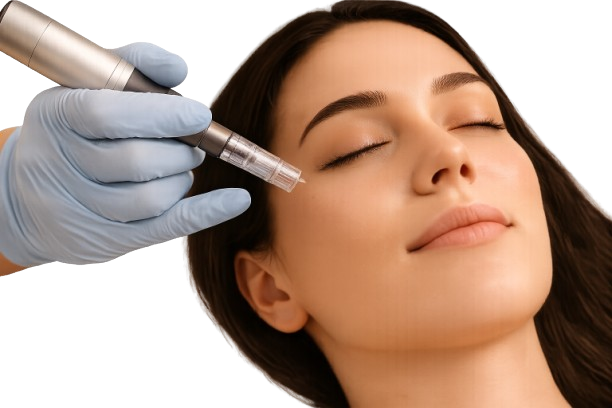
Cell therapy is the use of the body's own resources to support natural recovery processes.
The collection, cultivation, and injection of your own dermal cells is a type of cell therapy based on the use of the patient's autologous biomaterial. The procedure is performed according to medical protocols and can be part of individual tissue repair and maintenance programs.
About harvesting, growing and injecting your own dermal cells
Cell therapy using autologous dermal cells is a modern medical approach based on the application of the patient’s own biological material. The procedure involves collecting a small sample of dermal cells, cultivating them under laboratory conditions, and subsequently administering them to support tissue recovery processes.
The use of autologous cells allows clinicians to work with the body’s natural biological mechanisms without introducing foreign substances. After collection, the cellular material undergoes a cultivation stage in specialized laboratory conditions, where the required number of cells is generated for further use. All stages are performed in compliance with biosafety standards.
The injection of autologous dermal cells may be considered as part of comprehensive tissue restoration programs and functional support strategies. This method does not replace conventional medical or aesthetic procedures but may complement them within an individually tailored treatment or care plan.
Biological Principles and Method Features
Autologous dermal cells have the ability to integrate into the tissue environment, supporting natural renewal processes. Because the patient’s own cellular material is used, the risk of immunological reactions is minimized.
Cell therapy using dermal cells allows:
-
working with the patient’s own biological resources
-
supporting natural regenerative processes
-
avoiding the use of foreign biological materials
-
integrating the procedure into comprehensive recovery programs
-
ensuring an individualized approach to treatment or care
The effectiveness and appropriateness of the method are evaluated individually after consultation.
Individual Approach and Medical Safety
Before initiating cell therapy, a medical consultation and patient assessment are conducted. Indications, possible limitations, and expected outcomes are determined. All stages—from cell collection to administration—are carried out in accordance with medical protocols and quality control standards.
Indications for dermal cell-based cell therapy
The procedure may be considered in cases where support of tissue recovery processes is required. The appropriateness of application is determined individually. The decision is made after consultation with a physician.
Contraindications for cell therapy
Cell therapy is not performed in the presence of acute inflammatory conditions, active infectious diseases, or general contraindications to medical interventions. Limitations are determined by the physician. The final decision is made after examination.
Preparation for dermal cell collection
Specific preparation is determined individually. The patient receives personalized recommendations prior to the procedure. All details are discussed during consultation.
Recovery after dermal cell injection
The recovery period is generally minimal. Post-procedure recommendations are provided by the physician. Patients usually return to their normal daily activities shortly after.
iya clinic
Our experts in harvesting, growing and injecting your own dermal cells

iya clinic
Cost of the procedure All prices
Cell therapy
iya clinic
Patient reviews


iya clinic
Frequently Asked Questions about Cell Therapy Using Autologous Dermal Cells
Cell therapy
What does the use of autologous cells mean?
Autologous cells are cells obtained from the patient’s own body. This approach reduces the risk of rejection. The method is based on the individual biological characteristics of the patient.
How long does the cell cultivation process take?
The duration of cultivation depends on laboratory protocols. The process requires a specific amount of time to obtain the necessary number of cells. Exact timelines are discussed individually.
Is cell therapy a replacement for other procedures?
Cell therapy does not replace conventional medical or aesthetic treatments. It may be used as a complementary method. The treatment plan is developed individually.
How safe is the injection of autologous cells?
Since the patient’s own biological material is used, the method is considered biologically compatible. All stages undergo strict control. Safety is ensured through adherence to medical standards.
When can the results of the procedure be evaluated?
Results develop gradually. Evaluation is performed over time. The timeline depends on individual patient characteristics.
Is a course of procedures required?
The need for repeated procedures is determined individually. In some cases, a single stage is sufficient. The final decision is made by the physician.
