
iya clinic
Collection, cultivation and administration of own exosomes
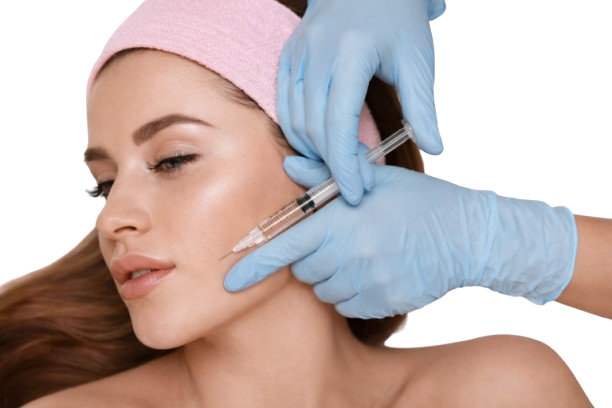
Harvesting, cultivation, and administration of autologous exosomes is a precise approach to intercellular signaling that governs recovery processes.
Harvesting, cultivation, and administration of autologous exosomes is a modern regenerative medical procedure based on the use of biologically active molecular structures obtained from the patient’s own cells. The method is applied within individualized tissue support and recovery programs and is performed in accordance with medical protocols and clinical indications.
About harvesting, growing, and injecting your own exosomes
Harvesting, cultivation, and administration of autologous exosomes belongs to the field of cell-molecular therapy, which focuses not on the cells themselves but on the products of their biological activity. Exosomes are microscopic vesicles released by cells that act as carriers of biological information between them.
Exosomes contain proteins, lipids, growth factors, signaling molecules, and nucleic acids that participate in the regulation of the cellular environment. Through these mechanisms, exosomes influence recovery processes, adaptation, and the maintenance of tissue functional balance.
The procedure begins with the collection of the patient’s own biological material. In laboratory conditions, exosomes are then isolated, purified, and concentrated in accordance with approved biosafety standards and quality control protocols. After completion of the preparatory stage, the exosome preparation is administered according to clinical objectives.
This method is not universal and is not applied without prior evaluation of the patient’s condition. Harvesting, cultivation, and administration of autologous exosomes may be used as a standalone procedure or as part of comprehensive treatment and recovery programs.
Biological properties of exosomes
Exosomes play a key role in intercellular communication. They enable the transfer of biological signals between cells without direct cell-to-cell contact, influencing the regulation of cellular processes and the tissue microenvironment.
Exosome therapy using autologous exosomes allows to:
-
utilize the patient’s individual biological resource
-
support natural tissue regeneration mechanisms
-
reduce the risk of immunological reactions
-
act at the molecular level without introducing foreign components
-
integrate the procedure into comprehensive treatment or recovery programs
The effectiveness of harvesting, cultivation, and administration of autologous exosomes is assessed individually and depends on the clinical situation, tissue condition, and overall health status.
Individual approach and medical safety
Before performing harvesting, cultivation, and administration of autologous exosomes, a mandatory medical consultation is conducted. During the examination, indications, potential limitations, and expected outcomes are determined.
All stages — from biological material collection to exosome administration — are carried out in accordance with medical standards, biosafety protocols, and quality control systems. The decision on the appropriateness of the procedure is made individually.
Indications for harvesting, cultivation, and administration of autologous exosomes
Harvesting, cultivation, and administration of autologous exosomes may be considered in cases where support of tissue recovery processes is required. The appropriateness of the procedure is determined by the physician after an individual assessment of the patient’s condition and clinical indications.
Contraindications for harvesting, cultivation, and administration of autologous exosomes
The procedure is not performed in cases of acute inflammatory processes, active infectious diseases, or general contraindications to medical interventions. The final decision is made by the physician after examination.
Preparation for harvesting autologous exosomes
Preparation for harvesting is determined individually depending on the method of biological material collection. The patient receives personalized recommendations during the consultation. All preparation stages are explained in advance.
Rehabilitation after administration of autologous exosomes
The rehabilitation period after administration of autologous exosomes is usually minimal. The physician provides post-procedure recommendations. Return to normal daily activities is possible within a short period of time.
iya clinic
Our experts in harvesting, growing and injecting your own exosomes

iya clinic
Cost of the procedure All prices
Cell therapy
iya clinic
Patient reviews


iya clinic
Frequently asked questions about harvesting, cultivation, and administration of autologous exosomes
Cell therapy
What are exosomes and why are they used in medicine?
Exosomes are microvesicles that enable the transfer of biological information between cells. They participate in the regulation of cellular processes and maintenance of tissue balance. These properties form the basis for their use in regenerative medical approaches. The procedure acts at the molecular level.
Why are the patient’s own exosomes used?
The use of autologous exosomes reduces the risk of immune reactions. The body recognizes them as biologically compatible structures. This increases the safety profile of the procedure. The method aligns with the principles of personalized medicine.
How does the cultivation and preparation of exosomes take place?
After harvesting, exosomes are isolated, purified, and concentrated under laboratory conditions. All stages are performed in accordance with biosafety standards. The process is controlled by qualified specialists. Preparation parameters are determined individually.
How long does it take to prepare exosomes for administration?
The duration of the laboratory stage depends on the selected protocol and the required concentration of exosomes. Specific timelines are determined by the physician during procedure planning. The process requires sufficient time to achieve the necessary parameters.
Is harvesting, cultivation, and administration of autologous exosomes an alternative to conventional treatment?
The procedure does not replace standard treatment methods. It may be used as a complementary approach within a comprehensive treatment plan. Therapy planning is performed individually. The decision is made by the physician.
When can results be evaluated after administration of autologous exosomes?
Results develop gradually. Evaluation is performed over time during follow-up visits. The timing of observable effects depends on the clinical situation and individual characteristics of the patient.
Is repeated administration of exosomes required?
The need for repeated procedures is determined by the physician. In some cases, a single administration is sufficient. In other situations, a course of procedures may be recommended. The final decision is made individually.
