iya clinic
Facial biorevitalisation: potential benefits, recovery and limitations

Biorevitalisation is a term used for intradermal injections intended to improve skin quality. Many products contain hyaluronic acid, but their concentration, molecular properties, additional ingredients and authorised indications vary. Calling every treatment a “hydrating injection” is therefore misleading: one formulation cannot automatically replace another, and a protocol should not be chosen from social-media advice.
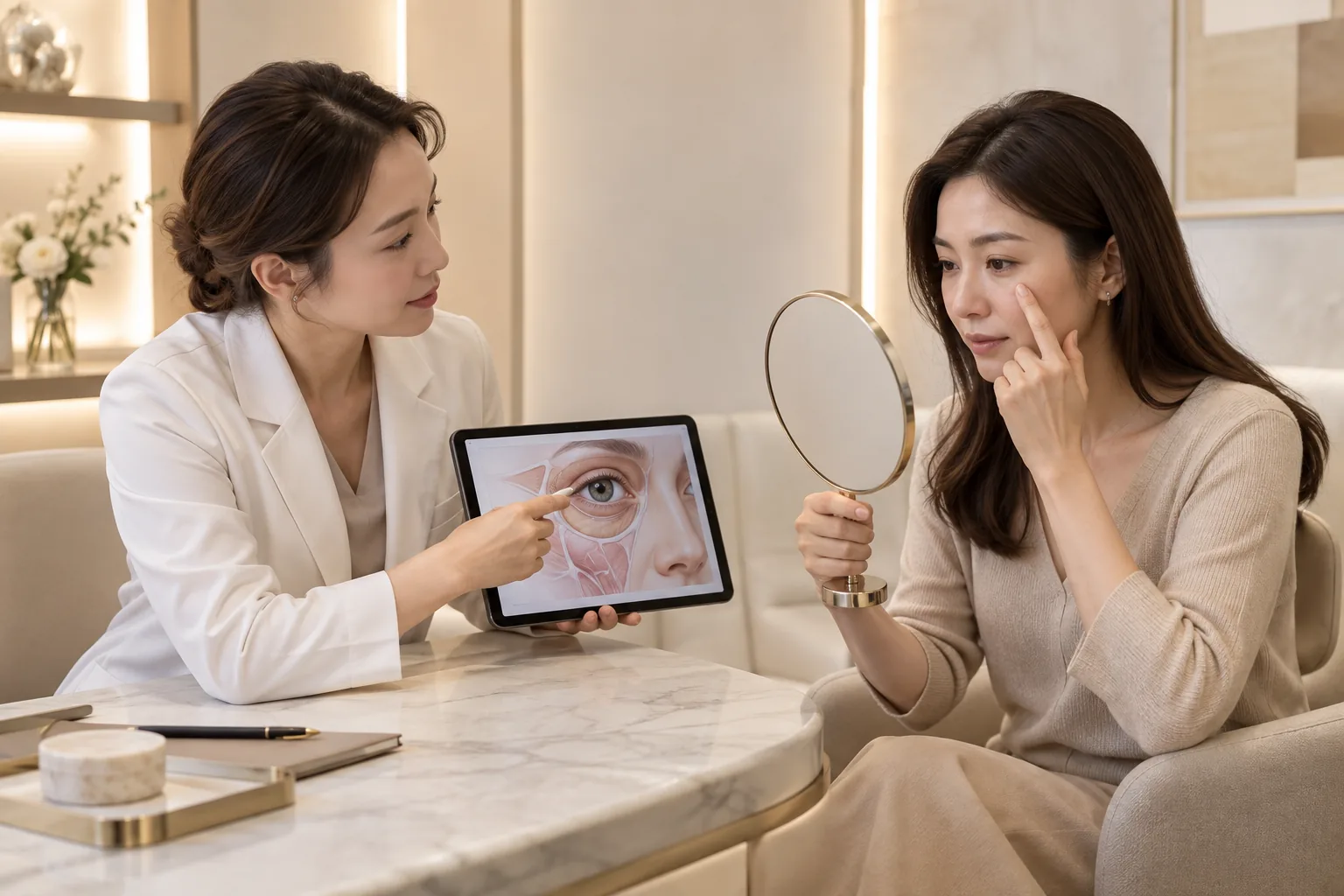
At IYA Clinic in Kyiv, biorevitalisation is planned after reviewing the skin and medical history. The clinician identifies the main concern—dryness, dehydration, dullness, fine lines or reduced elasticity—and checks whether a dermatological condition requires a different approach.
How hyaluronic acid is used
Hyaluronic acid occurs naturally in human tissues and binds water. Injectable formulations differ in cross-linking, concentration and accompanying ingredients. Intradermal treatment may affect hydration, elasticity and overall skin quality, but the degree and duration of change vary.
Systematic reviews report promising findings for injectable hyaluronic acid, while also noting substantial differences between products and study protocols. Evidence for one formulation should not be presented as proof that every “skin booster” provides the same result.
Biorevitalisation, mesotherapy and fillers
| Treatment | Primary purpose | Typical approach | What it does not automatically provide |
|---|---|---|---|
| Biorevitalisation | Hydration and skin-quality support | Multiple intradermal injections | Major volume or alteration of facial features |
| Mesotherapy | Delivery of a selected mixture | Series of superficial injections | Identical evidence for every cocktail |
| Dermal filler | Volume restoration or contouring | Product-specific anatomical placement | Whole-face treatment for dryness |
| PRP/PRF | Use of an autologous blood concentrate | Protocol-dependent injections | The same biological action as hyaluronic acid |
The name of a treatment is not a substitute for the product name. Patients should be told which formulation is proposed, who manufactures it and whether it is intended for the selected area and technique.
Concerns for which it may be considered
Dehydration and tightness
Both dry and oily skin can be dehydrated. Before suggesting injections, the clinician examines barrier impairment, skincare, retinoids or acids and possible disease. Injections do not replace daily care or treat every underlying cause of dryness.
Dullness and uneven texture
Biorevitalisation may be discussed as part of a skin-quality plan. If unevenness is caused by acne scars, marked pigmentation or vascular changes, an energy-based or combined approach may be more appropriate.
Fine lines and elasticity
Better hydration may make superficial lines less visible, but biorevitalisation is not a substitute for surgical lifting and should not be advertised as a way to erase all age-related changes.
Treatment areas
Common areas include the face, neck, décolletage and hands. The eye area requires separate assessment. Fluid retention, lower-eyelid fat pads, anatomy and the cause of dark circles influence whether injections are suitable.
| Area | Common concern | What needs assessment |
|---|---|---|
| Face | Dehydration, dullness, fine lines | Acne, dermatitis, infection and barrier damage |
| Eye area | Dryness and fine lines | Oedema tendency, fat pads, pigmentation and vessels |
| Neck and décolletage | Texture, dryness and photodamage | Irritation, lesions and relevant medical history |
| Hands | Dryness and skin ageing | Whether volume loss requires another method |
What happens during treatment
The clinician takes a history, examines the skin and agrees on the product and technique. The area is cleansed and disinfected; topical anaesthesia may be used. The formulation is injected according to its instructions and the anatomy of the area.
Small raised points at injection sites are called papules. Their size and duration depend on the product, technique, area and tendency to swelling. A lack of papules does not prove that treatment failed, and larger papules do not mean a better effect.
Papules, bruising and recovery
Redness, tenderness, swelling and small bruises may occur. Papules generally settle gradually, but timing varies. They should not be punctured or aggressively massaged at home.
| Timing | Possible expected response | Seek medical advice if |
|---|---|---|
| First hours | Papules, mild redness or tenderness | Severe pain, sudden blanching or a net-like colour change |
| Days 1–3 | Gradual settling, small bruises | Increasing swelling, spreading redness, discharge or fever |
| Following days | Injection sites become less visible | Enlarging nodules, severe pain or any visual symptom |
Follow the individual aftercare plan. It commonly includes gentle handling, temporary avoidance of irritating actives, sauna, swimming, strenuous exercise and alcohol. Sun protection remains important.
How many sessions are needed?
There is no universal course. Scheduling depends on the exact product, skin condition, area and response to the first treatment. Some formulations are studied as a series; others have different intervals. The product instructions and clinical assessment should guide the plan.
Early swelling is not the final result. Progress is better assessed after recovery with photographs taken under comparable conditions.
Contraindications and risks
Treatment is generally postponed when there is active infection, inflammation or damaged skin in the injection area. Pregnancy or breastfeeding, bleeding disorders, anticoagulants, severe allergy history, immune disorders and recent dental or aesthetic procedures require individual discussion.
Any injection may cause bruising, swelling, infection, inflammatory reactions or nodules. With injectable hyaluronic-acid products, accidental entry into a blood vessel is a rare but serious risk that may compromise tissue blood supply. Sudden severe pain, blanching, mottled colour or a visual change requires urgent assessment.
Biorevitalisation or another option?
| Main concern | Options that may be discussed | Why assessment matters |
|---|---|---|
| Dehydration and dullness | Skincare, biorevitalisation or Geneo X | Barrier problems and triggers should be identified |
| Pigmented spots | Skincare, BBL HERO or laser | Hyaluronic acid is not a primary pigment treatment |
| Acne scars | Morpheus8, laser or local techniques | Hydration injections cannot level deep scars |
| Marked laxity | Thermage, Morpheus8 or surgery | The anatomical level of change must be determined |
| Preference for autologous material | PRP/PRF | PRP/PRF has a different composition and evidence base |
Frequently asked questions
Is biorevitalisation a filler treatment?
Both may contain hyaluronic acid, but product properties, goals, injection depth and technique differ. Biorevitalisation primarily targets skin quality; fillers are generally used for volume and contour.
How long do papules last?
They commonly diminish over the first few days. Duration depends on the formulation, area, technique and swelling response.
Can it be used under the eyes?
Only after assessing anatomy and the cause of the concern. A tendency to oedema or prominent fat pads may make treatment unsuitable.
What is the right age to begin?
There is no universal evidence-based age. Suitability is determined by the skin condition and goal rather than a birthday.
Is biorevitalisation better than PRP?
They use different materials and have different possible roles. Neither is automatically superior for every patient.
This article is for information only and does not replace a medical consultation.
Sources for medical review
- Zhou R, Yu M. The Effect of Local Hyaluronic Acid Injection on Skin Aging. 2025.
- The Effectiveness of Injectable Hyaluronic Acid in Facial Skin Quality: A Systematic Review. 2023.
- Cheng et al. Injectable Non-Cross-Linked Hyaluronic Acid for Facial Skin Rejuvenation. 2026.
- FDA. Dermal Fillers (Soft Tissue Fillers): risks and patient information.