iya clinic
PRP and PRF for facial skin: realistic benefits and limitations

Platelet-based therapy uses material prepared from the patient’s own blood. A sample is centrifuged to obtain platelet-rich plasma (PRP) or a platelet-rich fibrin preparation (PRF), which is then injected into selected areas or used within a defined combination protocol.
PRP or PRF may be considered for gradual changes in skin quality, texture and recovery. It is not “stem-cell treatment”, does not behave like a dermal filler and cannot guarantee removal of wrinkles or pigmentation. Studies suggest potential aesthetic benefits, but preparation protocols differ and evidence quality is variable across indications.
PRP and PRF are related, not identical
| Feature | PRP | PRF |
|---|---|---|
| Full name | Platelet-rich plasma | Platelet-rich fibrin |
| Preparation | Centrifugation defined by the specific system | A different preparation designed to form a fibrin matrix |
| Consistency | Usually liquid | May begin liquid and form a matrix over time |
| Use | Injection or a professional combination protocol | Injection depending on product and area |
| Key limitation | Composition varies by system and patient | PRF is not automatically a stronger PRP |
There is no single universal PRP product. Platelet concentration, leucocyte content, activation and volume differ. Results from one published protocol therefore cannot be promised for every commercial system.
When facial PRP may be discussed
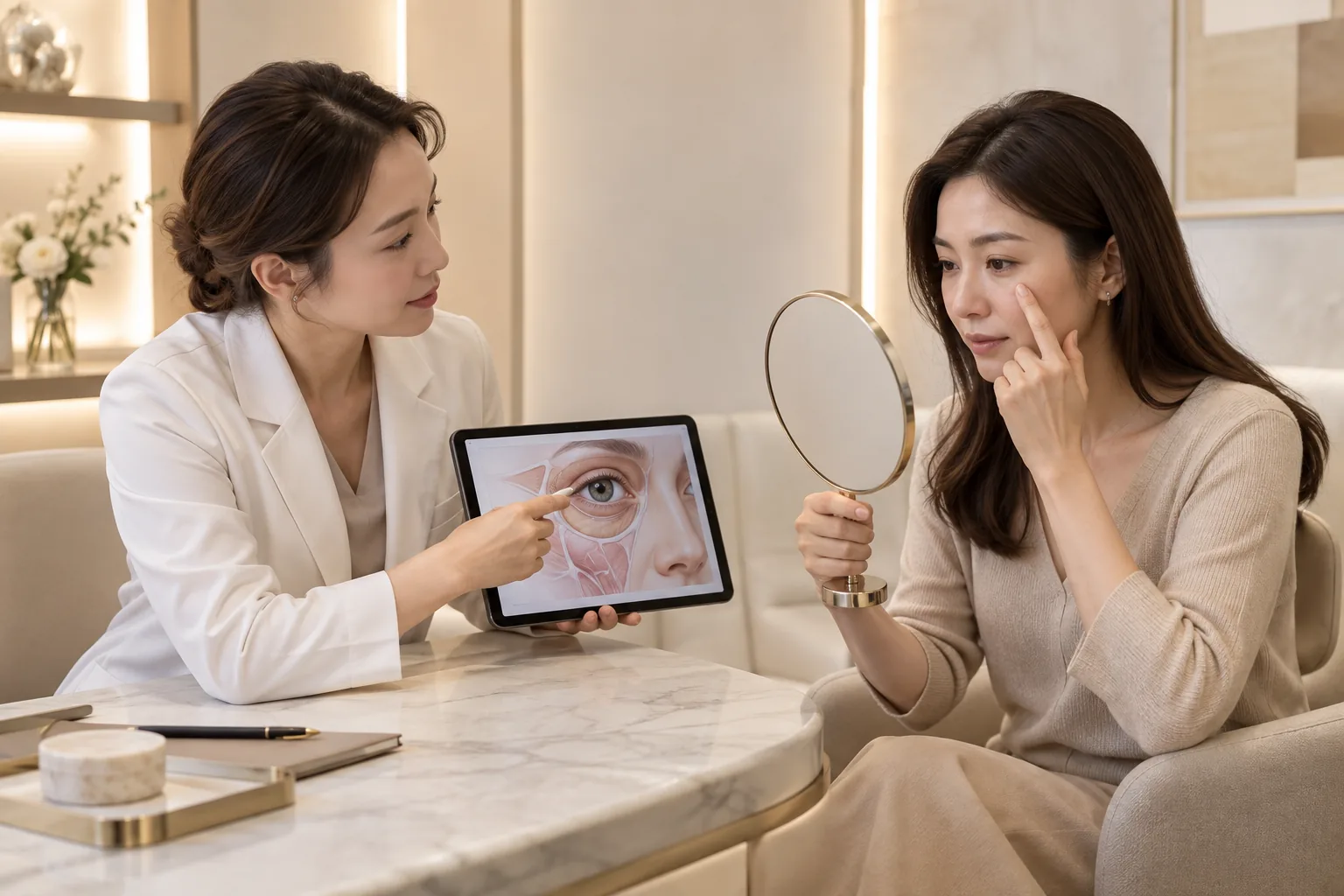
PRP/PRF therapy at IYA Clinic may be an adjunct for reduced skin quality, fine textural irregularity, dullness or selected atrophic-scar plans. The periocular area requires especially careful anatomical assessment.
| Concern | Possible role | What PRP does not replace |
|---|---|---|
| Dullness and texture | Gradual support for remodelling | Sunscreen, barrier care or treatment of disease |
| Fine lines | Modest skin-quality improvement may occur | Botulinum toxin for dynamic lines |
| Atrophic scars | An adjunct to a combination plan | Subcision, laser or RF when indicated |
| Dark circles | Only for selected causes | It does not equally correct pigment, vessels and shadow |
| Volume loss | Does not provide predictable structural volume | Filler or surgery where appropriate |
How it differs from skin boosters and fillers
| Method | Material | Main principle | Typical goal |
|---|---|---|---|
| PRP/PRF | Autologous blood-derived preparation | Use platelet factors and/or fibrin matrix | Skin quality and recovery |
| Biorevitalisation | An injectable, often hyaluronic-acid based | Support hydration and dermal properties | Dehydration and skin quality |
| Dermal filler | Gel with defined rheology | Restore or create volume | Contour and volume deficit |
| Mesotherapy | Variable injectable formulations | Depends on the exact product | A specifically defined indication |
Calling these interchangeable “rejuvenation injections” is misleading. Selection begins with the cause of the concern, not the popularity of a product name.
What happens during treatment
The clinician reviews medical history, skin condition, medication and bleeding risk. Blood is drawn into a certified system and processed shortly before use. The skin is cleaned and disinfected; topical anaesthesia may be used. The preparation is injected with a sterile technique appropriate to the area.
Preparation checklist
- Disclose anticoagulants, antiplatelet medicines, NSAIDs, supplements and bleeding disorders.
- Never stop a prescribed medicine without the prescriber’s advice.
- Postpone treatment during fever, active infection or inflammation at the injection site.
- Discuss herpes, keloids, anaemia, autoimmune or oncological disease and poor healing.
- Follow the clinic’s instructions on hydration and alcohol before treatment.
Recovery and safety
| Reaction | What may occur | Contact the clinic when |
|---|---|---|
| Redness and tenderness | Common for a short period | It worsens rather than settles |
| Swelling and small bumps | Depends on technique and area | Severe pain, marked asymmetry or visual symptoms occur |
| Bruising | Possible after needle punctures | Bleeding is significant or unusually extensive |
| Infection | Not a normal expected response | Pus, fever, increasing heat or pain develops |
Autologous origin reduces the chance of allergy to the plasma itself, but it does not remove injection risks: infection, bruising and vessel or nerve injury remain possible. Sterility, traceability and clinician competence matter.
After treatment, avoid touching the face with unwashed hands and follow advice on exercise, sauna, swimming and sun. Retinoids, acids and other irritants should return only after the skin has settled.
How many sessions and when to judge results
There is no evidence-based course that suits everyone. Studies use different schedules, so “three sessions for all patients” is not a universal standard. Any meaningful change develops gradually; early swelling is not the final rejuvenation result.
Standardised before-and-after photographs should use the same lighting, angle and expression. Review should decide whether the goal was met, whether another session is justified or whether a different method is more appropriate.
Frequently asked questions
Does PRP contain stem cells?
No. PRP is plasma with concentrated platelets. Describing it as stem-cell therapy is inaccurate.
Can I be allergic to PRP?
Allergy to one’s own plasma is unlikely, but antiseptic, anaesthetic or other materials may cause a reaction. Injection risks still apply.
Can PRF fill the tear trough like filler?
It does not provide the same predictable volume as a filler. Anatomy, cause of the shadow and area-specific risk determine the choice.
Does PRP remove facial pigmentation?
It is not a primary diagnostic or treatment method for pigmented lesions. The pigment type and photoprotection plan come first.
Can PRP be combined with laser or Morpheus8?
Combinations are studied and used, but timing, sterility and cumulative inflammation must be managed by a clinician. More interventions do not guarantee a better result.
Is facial PRP suitable during pregnancy?
Elective aesthetic injections are usually deferred because evidence is limited and there is no urgent need. Discuss individual circumstances with a doctor.
This article is educational and does not replace consultation. A clinician must determine indications and safety after reviewing medical history.
Sources for medical review
- Maisel-Campbell AL, et al. A systematic review of the safety and effectiveness of platelet-rich plasma for skin aging. Arch Dermatol Res. 2020.
- Evans AG, et al. Platelet-rich plasma as a therapy for dermatologic conditions: a systematic review. Dermatol Surg. 2020.
- American Academy of Dermatology. Patient safety information on cosmetic injections and skin procedures.
- FDA. Safety considerations for unapproved regenerative medicine products.